Week End Warrior Transitioning to Full-time Sailing
Transitioning to full-time sailing? Are you daydreaming about leaving the hustle of everyday life behind. I’ve been there too, and there’s nothing quite like feeling the wind on your face and the gentle rock of the boat beneath your feet. In fact, according to a recent study, the number of people adopting a liveaboard lifestyle has increased by nearly 20% in the past five years! That’s huge for those of us who’ve always felt the pull of sun-soaked horizons and tranquil waters.
In this article, we will embark on a deep dive into the process of moving from weekend sailor to dedicated seafarer. Brace yourself for an adventure that will combine the thrill of the open ocean with practical responsibilities—like budgeting, finding the right boat, and staying connected with loved ones. By the end, you’ll have a crystal-clear vision of how to begin your own journey transitioning to full-time sailing. Let’s set sail!
Understanding the Liveaboard Lifestyle
- How geographical and weather considerations influence your journey
- Navigating personal relationships while at sea
- Managing daily logistics, from meals to laundry to mail transfers
Stepping into the liveaboard lifestyle goes beyond simply living on a boat. It involves reimagining your entire life—from how you work and communicate with loved ones, to how you handle daily chores and emergencies. The global seas offer boundless freedom, but transitioning to full-time sailing also requires a certain level of discipline and adaptability. You’ll need to research climate patterns if you plan on island-hopping or crossing oceans, determine which ports offer reliable care and maintenance, and learn to juggle your daily tasks in a space-challenged environment.
Selecting the Perfect Vessel for Transitioning to Full-time Sailing
- Knowing your budget limits and financing options
- Evaluating boat types (monohull, catamaran, trimaran)
- Inspecting your potential purchase for hidden issues
Finding a boat that truly suits your needs is a bit like finding a home. You want it to reflect your lifestyle, ambitions, and budget. If you’re intent on transitioning to full-time sailing, carefully consider the size, layout, comfort level, and maintenance costs. Monohulls often deliver a classic sailing experience with a deep keel, while catamarans offer extra living space and stability. Once you have a rough idea of your dream vessel, look into various financing routes—maybe a marine mortgage or a personal loan. It’s also crucial to hire a marine surveyor to assess the boat’s condition before signing anything. Hidden issues like hull damage or faulty rigging can turn excitement into regret faster than a crashing wave.
Developing a Sustainable Budget
- Factoring in docking fees, maintenance costs, and emergency funds
- Planning for insurance and cruising permits
- Mapping out work opportunities or savings to sustain you on the water
One of the biggest hurdles in transitioning to full-time sailing rests in finances. Running a boat can be more expensive than many people anticipate. You need to consider everything from routine maintenance (oil changes, sail repairs, hull cleaning) to unforeseen emergencies that may require specialized parts you can’t easily fetch at your local hardware store. If you plan to continue working while at sea, think about Wi-Fi connectivity for remote jobs. Otherwise, be sure you have enough of a financial cushion for those lazy island days when you decide to drop anchor and just breathe. Planning isn’t just about monthly expenses—it involves creating a safety net that ensures your grand sailing adventure won’t quickly run aground.
Sharpening Your Sailing and Safety Skills
- Identifying necessary certifications and courses
- Understanding weather patterns and navigation basics
- Preparing for onboard emergencies, such as medical incidents
While the romance of the open ocean can be tempting, practical skill sets are essential. If you’re serious about transitioning to full-time sailing, it’s wise to enroll in intensive sailing courses, hands-on boat handling workshops, and safety training. Weather can change in the blink of an eye, so acquiring a solid grasp of meteorology and navigation is crucial. You’ll also want a plan for emergency situations—like how to handle a medical issue hundreds of miles from shore. Make sure your first-aid kit is robust and that you’re comfortable with basic triage. The peace of mind you gain from proper preparation is one of the greatest gifts you can give yourself as a new liveaboard sailor.
Planning Your Routes and Itineraries
- Evaluating seasonal weather trends and hurricane regions
- Staying abreast of international visa rules and port regulations
- Exploring cost-effective marina and anchorage options
The allure of waking up in a new tropical harbor never gets old. But a spur-of-the-moment approach to route planning can lead to trouble. To ensure a safe passage, study weather patterns, keep an eye on seasonal storm forecasts, and have a backup plan in place. Some regions may require cruising permits or binding local regulations—like time limits for anchoring. Certain marinas can be pricey, whereas more frugal alternatives might offer fewer amenities but come at a fraction of the cost. As you refine your routes, you’ll discover that a bit more planning leads to smoother sailing, and you’ll be one step closer to the dreamy, laid-back rhythm of life at sea.
Maintaining Connections and Personal Well-Being
- Setting up reliable internet and communication systems
- Balancing mental health and avoiding isolation
- Staying active and eating well with limited space
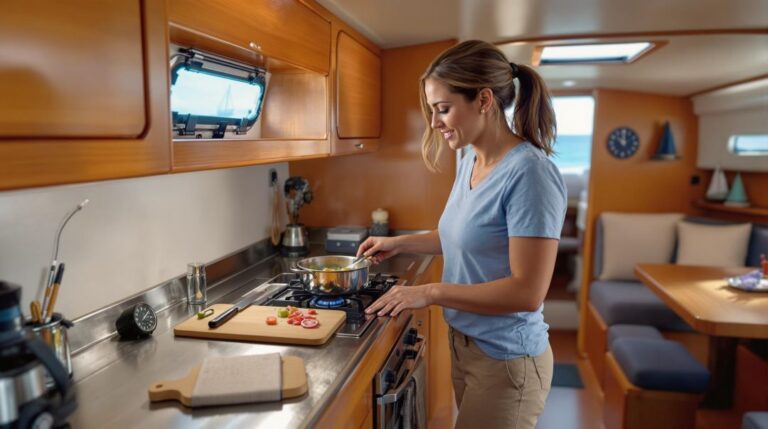
“Out of sight, out of mind” might be a common phrase, but it’s far from comforting if you’re missing friends and family back home. Luckily, transitioning to full-time sailing in our ever-connected modern world doesn’t mean going off-grid completely—unless you want to! Satellite internet, Wi-Fi boosters, and local SIM cards can help keep you in touch. This connection isn’t just about sending postcards; it’s also maintaining a support network when you’re navigating challenges. Meanwhile, mental and physical health are priorities. A daily exercise routine—whether it’s yoga on deck or a brisk swim—keeps you strong. Stock up on fresh produce when you can, and learn creative ways to store and cook meals in your compact galley.
Building a Support Network
- Joining social media groups and forums
- Participating in seminars, yacht clubs, or sailing rallies
- Learning from the experiences of seasoned sailors
When I first started transitioning to full-time sailing, I felt a bit lost. Then I discovered online communities and forums where fellow liveaboard enthusiasts shared their successes and stumbles. Even better were the local meets and seminars sponsored by yacht clubs. Finding a mentor—or simply a friend who’s a few nautical miles ahead of you in experience—will accelerate your learning curve and bring comfort on days when it’s not all smooth sailing. These groups can also give you the inside scoop on hidden coves, cost-friendly repair services, and invaluable hacks that can simplify daily life at sea.
Conclusion
Transitioning to full-time sailing isn’t a quick decision, but rather a deeply personal journey that blends practical planning with a desire for adventure. From choosing the right boat and creating a realistic budget, to refining your sailing skills and forging connections, every step is pivotal in shaping this new chapter of your life. Embrace the uncertainty and the promise of each wave. Before you know it, you’ll be waking up to glorious sunrises, your sails gently billowing, and the sense of freedom that only full-time life on the water can bring.
Are you ready to take the leap? There’s a community of dreamers and doers out on the open sea who can’t wait to welcome you!