Understanding Sailboat Hull Types: A Beginner’s Guide
Introduction
So you are aware of there are a few sailboat hull types. “Give me a firm place to stand,” Archimedes once said, “and I will move the Earth!” When it comes to sailboats, having the right hull type beneath your feet can certainly make you feel like you can conquer any sea. I’ve seen sailors new and seasoned alike marvel at how different hull shapes transform the entire sailing experience—especially when the wind picks up and those whitecaps begin to roll in. So if you’re interested in sailboat hull types, you’re in the right place. This guide will delve into the main categories, discuss stability and performance, and help you pick the hull that keeps your excitement alive out on the open water! Did you know that roughly 90% of new recreational sailboats use either a monohull or multihull design? Let’s dive deeper as we discover the best sailboat hull types for 2024 and beyond.
Understanding the Basics of Sailboat Hull Types
- Sailboat hull shapes impact stability, speed, and comfort.
- The term sailboat hull types ranges from classic monohulls to advanced multihulls, each with distinct pros and cons.
- Regardless of size, the hull design influences how a boat handles rough waters and wind conditions, thereby affecting your overall sailing experience.
Sailboats have evolved from simple, single-hull vessels used by our ancestors to sleek, multifunctional designs capable of cutting through choppy seas with surprising grace. The sailboat hull types you commonly see today include monohulls, catamarans, trimarans, and even specialized foil-supported hybrids. Each hull shape has its own unique blend of hydrodynamic efficiency and onboard comfort, which significantly affects factors like onboard living space and motion at sea. By understanding these fundamentals, we’ll gain more clarity about what fits your style of sailing, whether that’s leisurely cruises or competitive races.
Monohulls: The Traditional Choice
- Monohulls have a single, continuous hull shape beneath the waterline.
- They offer a time-tested balance of performance, stability, and handling.
- Deep keels, which extend down from the hull, greatly affect how the craft points upwind and remains upright in gusty conditions.
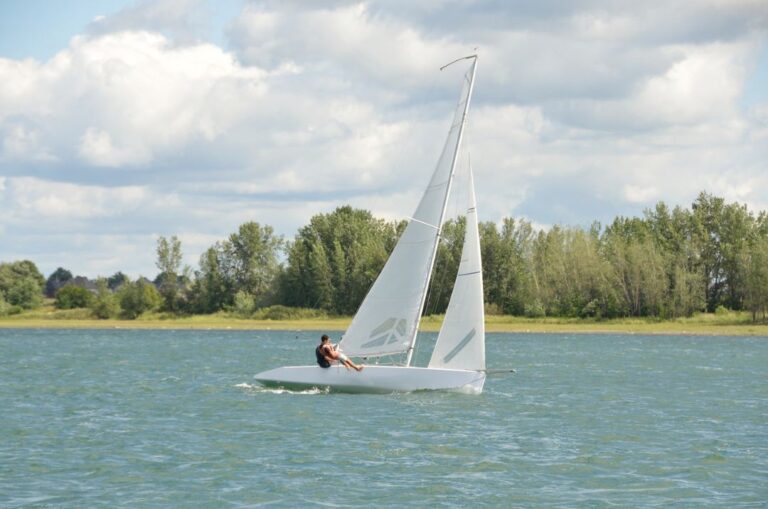
Monohulls are synonymous with classic sailing. If you imagine a salty sea captain perched at the helm, chances are he’s guiding a monohull. This sailboat hull type can range from narrow racing sloops to heavier displacement cruisers. Since monohulls heel (lean) under sail, many sailors enjoy the lively feedback that tells you you’re working with the wind rather than just floating on top of it. A firm keel helps with stability, though heavier monohulls feature a deeper keel than lighter performance boats. Many cruisers prefer monohulls because they provide that traditional “sailing feel,” but if comfort at dock or at anchor is your priority rather than the thrill of heeling, other hull types may be more your style.
Catamarans: The Spacious Multihull
- Catamarans have two parallel hulls joined by a deck platform.
- They boast impressive living space, reduced draft, and incredible stability.
- Ideal for families or longer voyages where comfort is paramount.
Catamarans are one of the most popular multihull sailboat hull types on the market, and for good reason. With two separate hulls, catamarans distribute weight more evenly and minimize heeling, allowing you to enjoy a flatter, more tranquil sailing experience. Thanks to their wide beam and multi-point support, cats are known for excellent stability even in moderate to rough seas. If you cherish roomy cabins, panoramic salons, and the extra deck space to entertain guests, catamarans deliver in spades. The shallow draft can also open up pristine anchorages and lagoons that deeper-keeled boats cannot access. However, keep in mind that catamarans sometimes face challenges in tight marina spots and may not point as effectively into the wind compared to a performance-focused monohull.
Trimarans: A Fusion of Speed and Balance
- Trimarans feature one main hull flanked by two smaller outrigger hulls (amas).
- They are famed for blending speed, stability, and efficiency.
- Modern trimarans range from nimble day-sailers to bluewater-capable cruisers.
Trimarans take the concept of multihulls a step further by adding an extra outrigger hull to bolster stability and reduce drag. The central hull remains prominent, while the side hulls (amas) provide roll stability and extra buoyancy. This design can reduce heeling dramatically, making trimarans a strong contender for sailors seeking speed with minimal compromise to comfort. In certain models, the amas even fold inward to offer a narrower beam at docking time—a significant plus for marinas with limited space. This sailboat hull type might be less traditional than monohulls or catamarans, but trimarans can reach impressive speeds while maintaining stable and predictable handling characteristics, especially under demanding offshore conditions.
Foiling Sailboats: A Glimpse into the Future
- Foiling designs rely on submerged wings (foils) that lift the hull above the waterline at speed.
- They drastically reduce drag, boosting speed and efficiency.
- Although more advanced in concept, foiling remains a thrilling option for racing and specialized recreational sailing.
While not as widespread as monohulls or catamarans in the cruising world, foiling technology has undeniably revolutionized racing circuits like the America’s Cup. By lifting the hull out of the water, these futuristic sailboat hull types minimize the drag that typically slows a vessel underway. As speed increases, the sailboat essentially “flies” over the surface, with the foils slicing through the water below. It’s a spectacular sight, not to mention a massive adrenaline rush for the crew onboard. However, foiling innovations still face technical and economic barriers, making them more relevant to specialized racers or those who relish complexity and high performance over simpler cruising options.
Key Factors to Consider Before Choosing amongst Sailboat Hull Types
- Intended usage: Are you cruising or racing, or both?
- Budget: Multihulls can be pricier in both purchase cost and maintenance.
- Comfort: Do you want extra living space and minimal heeling, or does a classic, heeling monohull appeal to you?
- Maneuverability: Multihulls need more docking space; monohulls can heel to handle gusts but have deeper draft.
- Speed vs. safety: Racing hulls emphasize pace while cruising hulls focus on stability and safety.
Before you commit to your dream vessel, consider how and where you intend to sail. If your passion is drifting along a sunny coast with friends, catamarans might be your gateway to paradise. If you crave the satisfaction of leaning deep into a windy gust as waves splash the bow, nothing tops a monohull for its immersive experience. Trimarans and foiling sailboats represent the more experimental frontier, perfect for those pushing the boundaries of technology and performance. Factor in your intended destinations, crew size, and budget, and you’ll swiftly zero in on the optimal sailboat hull type for your unique needs.
Conclusion
Whether you’re a seasoned cruiser or a starry-eyed beginner, understanding the various sailboat hull types is critical to achieving the perfect match for your sailing style, comfort preferences, and adventure ambitions. Monohulls evoke a sense of tradition and challenge, catamarans pamper you with abundant space and stability, trimarans deliver a lightning-fast yet surefooted ride, and foiling designs soar with futuristic allure. Each category has its own nuances—but that’s the beauty of the maritime world! Feel free to follow your heart, weigh your priorities, and explore the sailboat hull types that fascinate you the most. Now that you have the inside scoop, why not schedule a test sail, join a local sailing club, or even plan a charter trip? Embark on your next voyage with confidence and discover which hull type will make the open seas feel like home.