Sailboat Keel Types: A Comprehensive Guide
Introduction
So you are curious about sailboat keel types? And you wonder why two sailboats floating side by side can look so similar above the waterline and yet behave so differently once they set sail? I remember being fascinated the first time I realized there were multiple sailboat keel types out there, each one shaping the vessel’s stability, speed, and overall safety. Did you know that, according to a recent boating survey, keel design can affect up to 30% of a sailboat’s overall performance? It’s amazing how one critical component, hidden below the water, can influence so many aspects of the sailing experience!
In this article, we’ll dive into the world of sailboat keel types. Whether you’re a beginner weighing your options for a new boat or a seasoned sailor keen to upgrade, you’ll find valuable insights here. Let’s break down several keel designs and talk about how they impact everything from shallow-water cruising to high-speed racing. I’ve gathered lots of relevant data to ensure this guide helps you make an informed decision, so get ready to explore the hidden wonders beneath your sailboat’s hull!
The Importance of the Keel
- Stabilizing the Sailboat
- Providing Lift and Counteracting Drift
- Protecting the Hull
The keel is the backbone of any sailboat. It’s not just a random appendage underneath your boat; it’s crucial for stability, helps the boat maintain a steady course, and works with the sails to harness wind power efficiently. Without a proper keel, even the best-designed sailboat might become difficult to control. Keels also act like shields, taking the brunt of ground contact when you accidentally run aground—something that’s more common than many sailors like to admit! In short, understanding sailboat keel types is vital to any aspiring or experienced mariner.
Full Keel Design
- Characterized by Long, Continuous Shape
- Highly Stable and Seaworthy
- Typically Found on Traditional Cruising Yachts
Full keels run along the entire length of a sailboat’s hull. These robust designs are often associated with classic cruisers meant for long-distance voyages or blue-water sailing. They offer excellent directional stability, which is great if you plan to spend long stretches at sea. On the flip side, full keels can reduce agility and speed when maneuvering through tight marinas or racing scenarios. Still, there’s a comforting solidity in knowing you’re sailing on a vessel that’s designed for resilience. If you’re considering global cruising or spending extended periods offshore, a good full keel design might be your top choice within the realm of sailboat keel types.
Fin Keel and Its Modern Twist
- Shorter and Deeper Than Traditional Keels
- Offers Improved Maneuverability
- Often Seen in Racing and Performance Sailboats
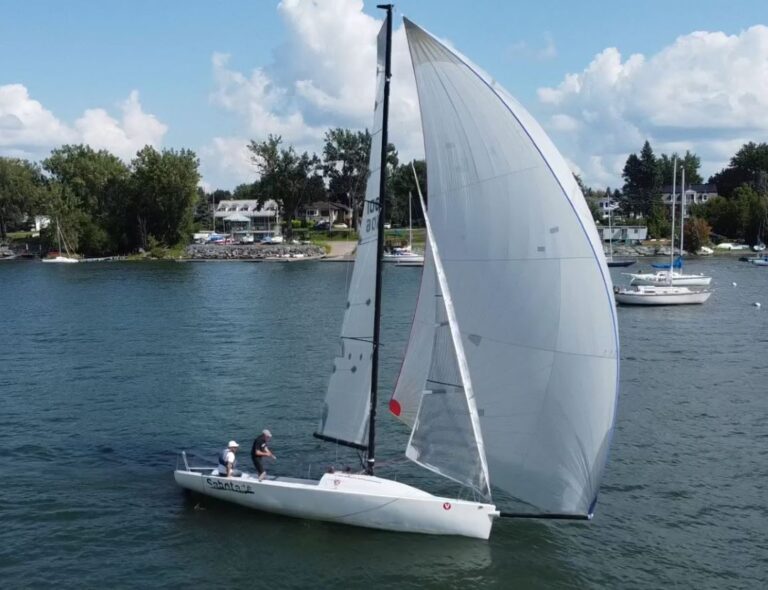
When someone says “fin keel,” speed usually comes to mind. A fin keel can drastically reduce the water resistance compared to a full keel, thereby boosting speed and agility. You’ll typically find a fin keel on modern sailboats built for competitive racing or spirited weekend sailing. This design traces a narrower and deeper profile through the water, allowing the boat to pivot more readily. However, the added performance sometimes comes at the expense of not being as stable in extremely rough waters, especially compared to the more steadfast full keel. Still, in the vast universe of sailboat keel types, the fin keel is beloved by those who crave speed and excitement on the water.

o1
Sailboat Keel Types in 2024: A Comprehensive Guide for Every Sailor
Meta Description
Discover the most common sailboat keel types for 2024 and learn how each design influences performance, stability, and maneuverability.
Introduction
Have you ever wondered why two sailboats floating side by side can look so similar above the waterline and yet behave so differently once they set sail? I remember being fascinated the first time I realized there were multiple sailboat keel types out there, each one shaping the vessel’s stability, speed, and overall safety. Did you know that, according to a recent boating survey, keel design can affect up to 30% of a sailboat’s overall performance? It’s amazing how one critical component, hidden below the water, can influence so many aspects of the sailing experience!
In this article, we’ll dive into the world of sailboat keel types. Whether you’re a beginner weighing your options for a new boat or a seasoned sailor keen to upgrade, you’ll find valuable insights here. Let’s break down several keel designs and talk about how they impact everything from shallow-water cruising to high-speed racing. I’ve gathered lots of relevant data to ensure this guide helps you make an informed decision, so get ready to explore the hidden wonders beneath your sailboat’s hull!
The Importance of the Keel
- Stabilizing the Sailboat
- Providing Lift and Counteracting Drift
- Protecting the Hull
The keel is the backbone of any sailboat. It’s not just a random appendage underneath your boat; it’s crucial for stability, helps the boat maintain a steady course, and works with the sails to harness wind power efficiently. Without a proper keel, even the best-designed sailboat might become difficult to control. Keels also act like shields, taking the brunt of ground contact when you accidentally run aground—something that’s more common than many sailors like to admit! In short, understanding sailboat keel types is vital to any aspiring or experienced mariner.
Full Keel Design
- Characterized by Long, Continuous Shape
- Highly Stable and Seaworthy
- Typically Found on Traditional Cruising Yachts
Full keels run along the entire length of a sailboat’s hull. These robust designs are often associated with classic cruisers meant for long-distance voyages or blue-water sailing. They offer excellent directional stability, which is great if you plan to spend long stretches at sea. On the flip side, full keels can reduce agility and speed when maneuvering through tight marinas or racing scenarios. Still, there’s a comforting solidity in knowing you’re sailing on a vessel that’s designed for resilience. If you’re considering global cruising or spending extended periods offshore, a good full keel design might be your top choice within the realm of sailboat keel types.
Fin Keel and Its Modern Twist
- Shorter and Deeper Than Traditional Keels
- Offers Improved Maneuverability
- Often Seen in Racing and Performance Sailboats
When someone says “fin keel,” speed usually comes to mind. A fin keel can drastically reduce the water resistance compared to a full keel, thereby boosting speed and agility. You’ll typically find a fin keel on modern sailboats built for competitive racing or spirited weekend sailing. This design traces a narrower and deeper profile through the water, allowing the boat to pivot more readily. However, the added performance sometimes comes at the expense of not being as stable in extremely rough waters, especially compared to the more steadfast full keel. Still, in the vast universe of sailboat keel types, the fin keel is beloved by those who crave speed and excitement on the water.
Wing Keel: Balancing Shallow Waters and Performance
- Features Wing-Like Extensions at the Bottom
- Allows for Shallower Draft
- Retains Some Performance Benefits of Fin Keels
A wing keel remains a popular option for sailors who frequent coastal waters with shallow depths. By adding wing-like protrusions at the keel’s tip, designers effectively managed to reduce overall draft without sacrificing too much stability or lift. This design offers more vertical room for error when navigating near sandbanks or rocky coastlines. Still, you’ll want to be mindful that wing keels can sometimes “stick” in muddy bottoms, making it a challenge to escape if you do happen to run aground. Overall, wing keels serve as a middle ground within different sailboat keel types, bridging the gap between high performance and shallow-water accessibility.
Bulb Keel: Extra Weight in a Smaller Package
- Concentrated Weight Toward the Bottom of the Keel
- Improved Righting Moment
- Useful in Both Racing and Cruising Designs
A bulb keel is a variation on the fin keel concept, where a significant portion of weight is placed in a “bulb” at the keel’s lowest point. This design allows for a lower center of gravity while keeping the keel itself relatively short in length, which helps stabilize the boat. You’ll find bulb keels in various sailboat keel types, from racing yachts that hope to optimize speed to cruising boats aiming for a stable ride. The trademark advantage here is that the “bulb” concentrates the mass deep below the waterline, giving the craft excellent righting ability without excessively increasing draft.
Lifting Keel: Transformable Versatility
- Adjustable Keel Depth
- Ideal for Shoal Waters and Trailerable Sailboats
- Complex Hydraulic or Mechanical Systems
If you crave the freedom to sail in deep waters one day and easily navigate shallow anchorages the next, a lifting keel might pique your interest. This transformable keel can be raised or lowered, giving you a range of draft settings. For boat owners, this means you can explore more remote or tidal areas without sacrificing performance in open waters. The trade-off? Mechanical complexity and added maintenance. If something malfunctions with the lifting mechanism, you’re potentially facing a pricey repair. However, many find this minor inconvenience well worth the unparalleled flexibility, especially when it comes to accessing hidden coves or loading a sailboat onto a trailer.
Swing Keel: The Best of Both Worlds?
- Pivoting Keel for Shallow Draft and Deeper Performance
- Simplifies Grounding in Tidally Influenced Areas
- Can Affect Sailing Efficiency Depending on Keel Angle
Closely related to the lifting keel, a swing keel employs a pivot or hinge mechanism, allowing the keel to swing up into the hull. This versatility makes it a favorite among coastal cruisers who navigate waters that can drastically change with the tide. By swinging the keel upward, you reduce draft and can MacGyver your way into tight spots or shallower channels. However, when the keel is not fully extended, you might not reap the full performance benefits under sail. If you value seamless adaptability to different sailing conditions, the swing keel might hold its own among the various sailboat keel types under consideration.
Bilge Keel: Standing on Two Feet
- Two Keel Fins One on Either Side of the Hull
- Allows Boats to “Dry Out” in Tidal Waters
- Often Found in Northern European Coastal Regions
Bilge keels are more common in regions with dramatic tides, such as parts of the UK or the Atlantic coasts of northern Europe. Instead of a single keel running down the hull’s centerline, you have two smaller keels positioned off-center, one on each side of the bilge area. The key benefit? When the tide goes out and the boat rests on the seabed, it sits upright rather than toppling over. This simplifies life for sailors who dock or moor in areas with significant tidal variations. Although bilge keels may not match the performance of fin keels in upwind sailing, their practicality speaks volumes, making them a crucial study among different sailboat keel types.
Choosing the Right Keel for You
- Sailing Style and Goals
- Typical Water Depths
- Maintenance and Budgetary Concerns
So how do you decide which keel type is best for you? Start by looking at your own sailing ambitions. If you dream about crossing oceans, a full keel or a robust fin keel might offer the stability you need. If you’re hanging out in shallow bays, a wing keel or lifting keel could be beneficial. Performance-oriented sailors tend to favor fin or bulb keels that enhance speed. Budget, mechanical complexity, and even the type of slip or mooring in your home port can also influence your final choice. By evaluating these factors thoroughly, you’ll be able to pinpoint exactly which keel design aligns with your sailing goals.
Conclusion
We’ve explored a variety of sailboat keel types, from the tried-and-true full keel to the innovative lifting keel that can adapt to shifting environments. Each keel brings distinct advantages, whether it’s the unparalleled stability of a full keel or the swift maneuverability of a fin keel. I hope this guide has clarified the differences among these designs and fit them into a broader context so you can make an informed decision.
In my experience, there is no one-size-fits-all answer; the best keel choice depends on your sailing style, location, and personal preferences. If I could offer one last piece of advice, it would be to try out a few different keel types on friends’ boats or through chartering before investing in your own. Once you’ve experienced how each keel shape influences steering, speed, and stability, you’ll have a better perspective.
Now it’s your turn—jump aboard, compare these keels, and discover for yourself which style suits you best. If you’re ready to take things to the next level, you might start by checking out various boat listings or talking to industry experts at a local marina. Here’s to smooth sailing, whichever keel you choose!